Have you ever heard somebody say that they are “feeling Bipolar today?” or that someone else is being “Bipolar?” What does that really mean? To them, it may just be that somebody is having mood swings. However, diagnosed Bipolar is more than just fluctuating emotions, especially for those who are undiagnosed teens.
Bipolar disorder is a mental illness characterized by dramatic mood changes, commonly going from a hyper mood (manic) to a low-laying mood (depressive). Typically, people are not diagnosed with Bipolar disorder until adulthood. According to nami.org, the average person is diagnosed with Bipolar when they are around 25 years old. However, there are exceptions, when signs are extremely prevalent in adolescence.
I interviewed a student diagnosed with Bipolar disorder, who spoke with me about their personal experience with it, elaborating, “It’s very much an obstacle, mentally: it’s not being able to control emotions and having more drastic emotions than a normal person.” They continued by saying that it is important to know about the disorder because if people do not understand it, then it makes the situation more self deprecating and difficult for the person with Bipolar.
Studies show that experiences from a person’s early life can affect how their Bipolar disorder develops over time. Additionally, Bipolar can be genetic. A child whose parent is a Bipolar patient is more likely to develop the disorder than a child who does not have a parent with Bipolar disorder (chop.edu).
The process of diagnosing a teen with Bipolar is complex. The symptoms of the disorder are also symptoms of many other mental disorders, which is why it can be so hard to find in adolescence. Typically, a mental health evaluation will be taken on a teen as part of the diagnosing process, as well as questions about the teen’s prior mental health problems.
The student elaborated on the symptoms that they showed before diagnosis, primarily naming mood swings, like getting irritated very suddenly, but then getting very depressed not shortly after. They also experienced similar sensations, but from being excited to suddenly being very quiet. Common symptoms of Bipolar in teens include depressive states such as low self-esteem, suicidal thoughts, feelings of aggression, and feelings of helplessness, just to name a few. On the other hand, Bipolar symptoms include manic states such as low attention span, poor judgement, hallucinations, and participation in high-risk activities (Nationwide Children’s).
Because if its complexity, Bipolar is often heavily misinterpreted by society. When asked about why she thinks the disorder is so overlooked, school adjustment counselor Ms. Ryan says that Bipolar can look different in each individual with the disorder, especially since it mimics lots of other mental disorders; there are so many different aspects of Bipolar.
According to the student diagnosed with Bipolar, the disorder is so important to raise awareness about because it is a serious disorder to live with. Especially if somebody does not understand it, it can be self-deprecating for anybody struggling with it while being misunderstood. Ms. Ryan suggests that to know more about Bipolar, people should know more about what it means to have a disorder, in this case having Bipolar disorder.
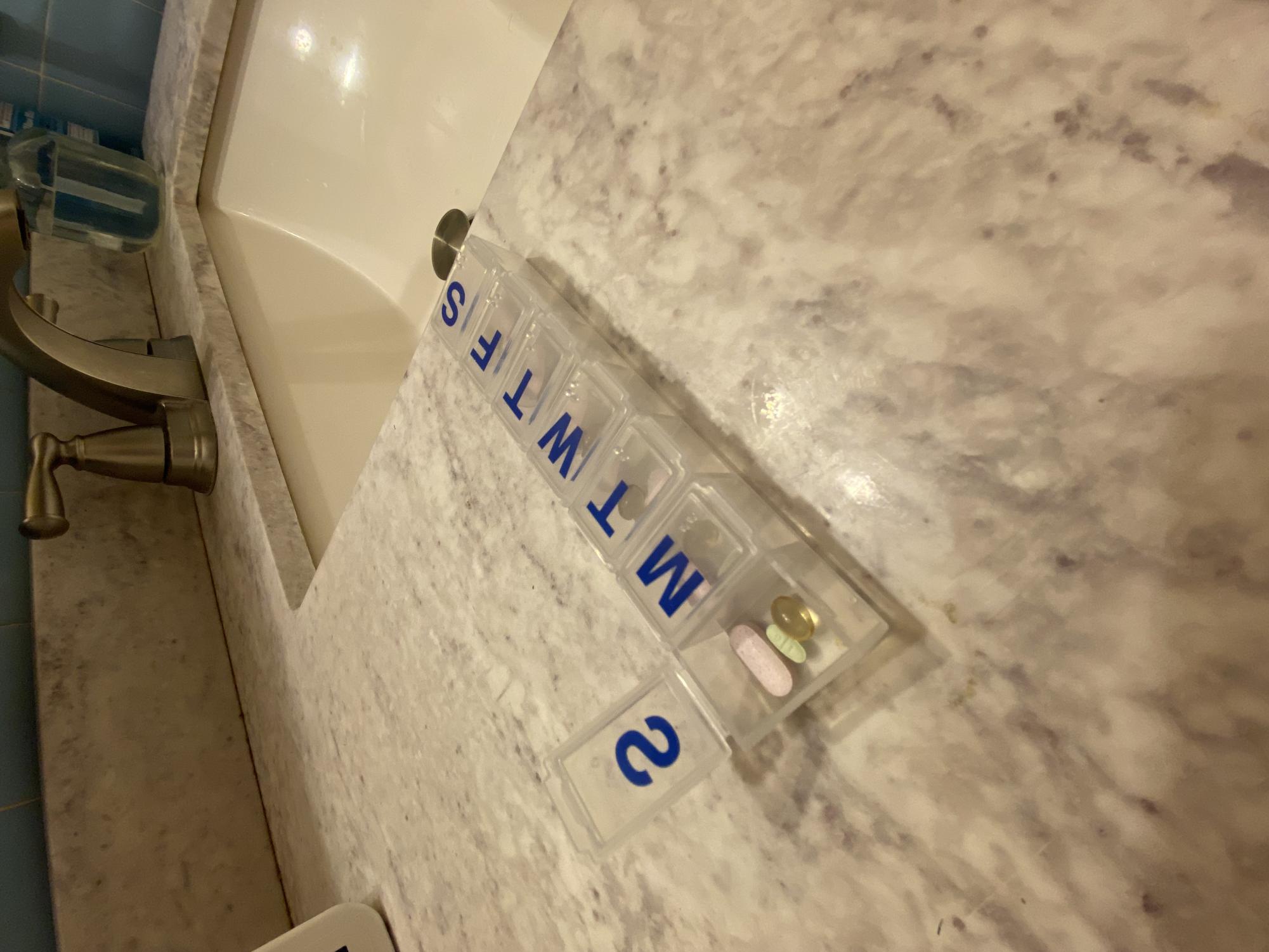
Common treatments of Bipolar can include medications and going to see a physician . If you think you or a loved one may be experiencing signs of Bipolar disorder as an adolescent, you can reach out to your Primary Care Physician for more options.