
For many students, the bell is supposed to signal freedom-the end of classes, homework reminders, and academic pressure. But in reality, school stress doesn’t stay inside the building, it follows you home. You are followed into your bedroom, your relationships, schedules, and even sleep. The weight of school responsibilities often extends far beyond the classroom, affecting strains on mental health and daily life in ways adults may not always see.
School stress is more than just worrying about one test or assignment. It becomes a constant mental cycle that can be hard to escape. Ms. Ryan describes it as a “hamster wheel,” explaining that students often struggle to disconnect even when school is over. She notes that “any stress that gets in your mind; always worried about a test, how you perform; it’s hard to leave it all at school. Instead of stress disappearing at dismissal, it continues running in the background of your mind.
One of the most immediate ways school stress shows up outside of class is through overwhelming schedules. Between homework, extracurriculars, sports, work, and other personal responsibilities, students are often filled with the stress of never truly getting a break. Keira McPartlin shares, “School activities intertwine with my normal life consistently.” She emphasizes that commitments like sports, orchestra, and homework can pile up quickly. When students have so many demands at once, they are often forced to change plans, sacrifice downtime, and constantly worry about what comes next.
This stress can also take a serious toll on relationships. When students are mentally consumed by grades and deadlines, it becomes harder to be present with friends or family. Ms. Ryan explains, “Whenever we are thinking about other things (school in particular), we become short with people, and distance ourselves because we are so focused on the main stressors.” Stress can cause students to withdraw, isolate themselves in their rooms, or unintentionally take frustration out on others.
Academic pressure can even affect friendships in more subtle ways. Differences in workload and commitment may create tension between students. Keira reflected saying, “Someone with a more rigorous schedule may have a lot more commitments; making people not understand each other and have more difficulty planning things together.” When one person is overwhelmed with schoolwork and another has more free time, it can lead to misunderstandings and distance.
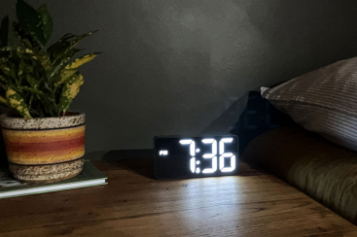
Sleep is another major area impacted by school-related stress. Many students stay up late trying to complete assignments after long days filled with practices, games, and other activities. Ms. Ryan points out, “If you can’t turn your mind off, how do you expect to sleep?” Stress keeps the brain alert, preventing real rest. Keira shared that although she aims for 10PM, bedtime often becomes 12AM or even later, averaging only six or seven hours of sleep per night. Over time, lack of sleep affects energy, mood, and academic performance-creating a cycle that becomes difficult to break.
Technology can make stress even harder to escape. Constant reminders through notifications, and online grade portals, keep students in a state of anxiety even when they are supposed to be relaxing. Ms. Ryan describes this as being in a “state of vigilance,” always waiting for the next alert or update. Instead of home being a place of recharge, it becomes another space where academic pressure continues.
There are, however, ways that students can cope and reset. Both Ms. Ryan and Keira emphasized the importance of stepping away from school stress when possible. Keira shared that sleeping or spending time with friends provide some much-needed escape. Ms. Ryan encourages strategies like disconnecting from phones, spending time with family, moving your body, and reminding yourself that “there is no perfection; okay to not be the best.”
Ultimately, school stress is not something that ends when the final bell rings; it lingers into the hours that are supposed to be restful and personal. It affects how students spend their time, how they connect with others, and even how well they sleep at night. While school is meant to be a place of learning and growth, the pressure that comes with it can easily become overwhelming when it follows students everywhere they go. Recognizing that this stress is real, and that students need their time and support to recharge, is an important step toward creating healthier routines and a better balance between academics and life outside the classroom.