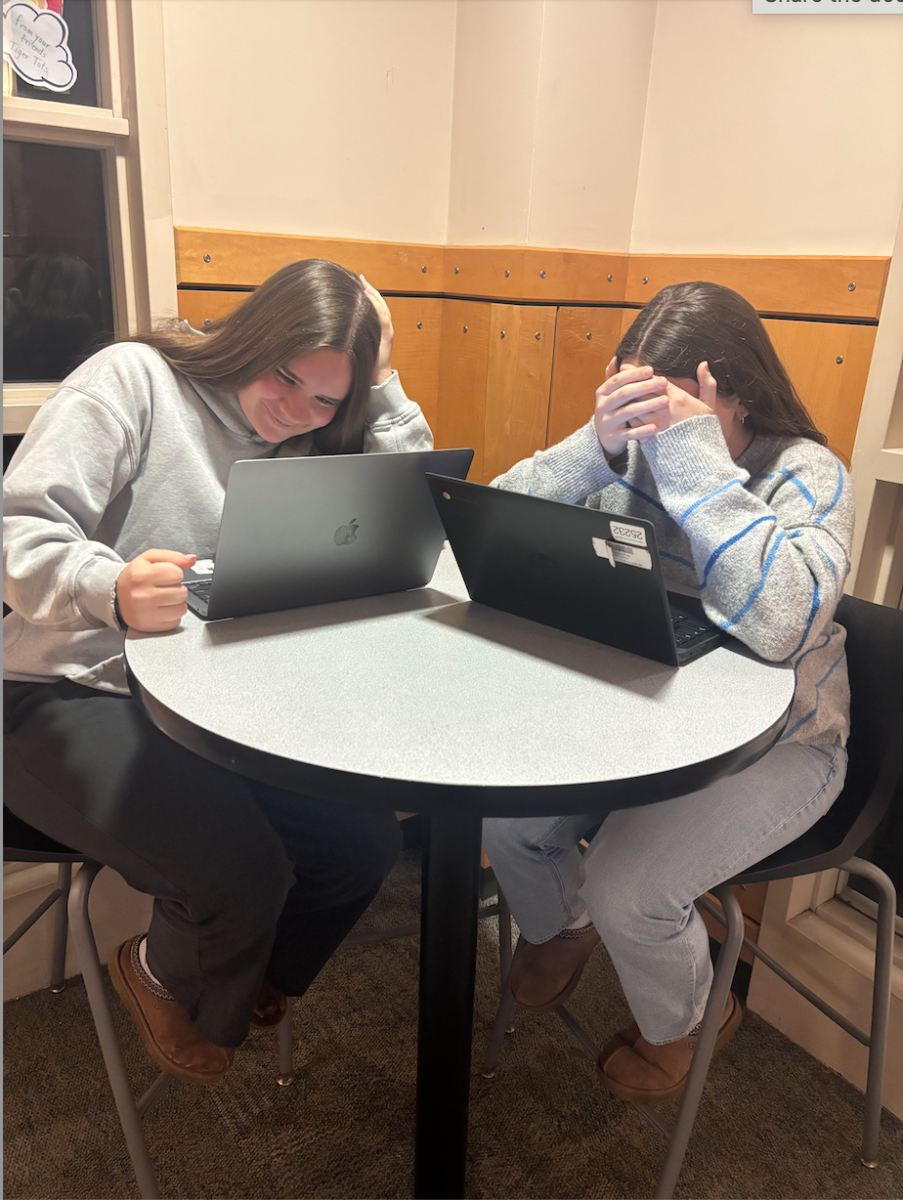
For many students, late-night schedules fueled by caffeine have become increasingly common. At first sight, these late nights are seen as beneficial because people are up doing homework or studying for a test the next day. However, what are the hidden costs of staying up late, and is doing so negatively impacting students’ academics? To first answer this question, we must understand what sleep deprivation is.
Sleep deprivation is when a person doesn’t get enough sleep, which affects the circulatory system, Metabolic system, Immune system, Nervous system, the Brain, and a person’s mental health. Sleep deprivation occurs most of the time without a person realizing that they have it. This affects over 50 to 70 million people in the U.S alone every year.
On average, Teenagers (13 to 18 years old) should be getting 8 to 10 hours of sleep per night. However, signs of sleep deprivation start in teens when they receive only approximately 6.5 to 7 hours of sleep per night. This chronic lack of sleep has major consequences for them mentally and physically. Academically speaking, the lack of sleep affects memory, attention span, and an increase in attitude problems, thus resulting in a decline in a student’s GPA.
The effects of sleep deprivation were evident for Colleen Mcdonald, an IHS senior, who in the past suffered with not being able to get more than 5 hours of sleep. When asked if school played a role in her lack of sleep, she said, “Yes. I procrastinate, which is a bad habit, and at times there is a lot that is assigned. However, it’s not just school because I do Jazz Band that sometimes goes late”. To her, the biggest challenge is finding the time to do school work that allows you to get enough sleep. But how did this lack of sleep affect her concentration in class and her mood? “I get super sleepy and am on the verge of falling asleep in class. Affecting the amount of effort I put into getting ready in the morning. And for my mood, I can be crabby, have an attitude, and be bothered by the littlest things.” While this is a past struggle that she has overcome, her story on this issue is not all that different from the struggles that others have faced from sleep deprivation.
After hearing about a student’s perspective, let’s talk about sleep deprivation in students through the eyes of a teacher. For this, I was given the opportunity to interview a high school teacher at Masco (Mrs. Marini). This teacher teaches history in 10th through 12th grade, as well as an early childhood psychology class. To her, getting enough sleep is important to not have brain fog and think clearly. We first asked what the kids who seemed to be sleep-deprived were like when trying to follow instructions or focus. Her reply: “They need instructions repeated many times. They have a lack of focus”. This showcases the brain fog that a student gets when they lack sleep. Another thing that Mrs. Marini mentioned is that when a tired student is assigned work in a classroom setting, they take double the time to complete it and often have to take that assignment home to finish. She believes that a good way to help students get more sleep would be by having a late start and an open campus.
Thus leading us to our final point, although most kids can’t change the amount of homework they have or practice schedules, they can create a management system that would help them get more hours of sleep. For example, they can create a routine where you limit the time spent on electronics and you have set hours to do homework. At the end of the day, it is an individual obligation to choose to change to make more time for sleep, and if one does so, their grades and mental health will likely improve
.