
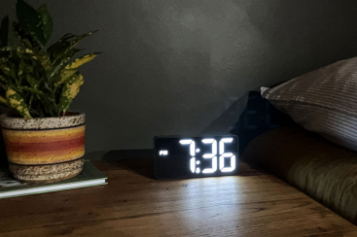
In Ipswich High School and throughout Massachusetts public schools, teen sleep deprivation is reaching crisis levels, and the way the school day is scheduled plays a significant role. In a recent survey conducted of 30 random Ipswich seniors, a whopping 0% of students reported getting more than nine hours of sleep on a school night, with over 60% stating they get even less than seven hours. This is particularly concerning, considering that, according to Johns Hopkins pediatrician Michael Crocetti, M.D., M.P.H., teens need 9 to 9.5 hours of sleep per night. Without it, teens face increased risk of depression, higher likelihood of risky behaviors, daytime sleepiness, and difficulty concentrating.
Adolescence creates a dramatic shift in a teen’s internal clock that delays when they feel sleepy at night, making early waking unnatural and harmful. Because of this, national health organizations, including the American Academy of Sleep Medicine (AASM) and the American Academy of Pediatrics (AAP), recommend that middle and high schools begin no earlier than 8:30 a.m. for optimal health and performance.
In 2019, California became the first state to require public high schools to start no earlier than 8:30 a.m. and middle schools at 8:00 a.m., offering a real-world example for Massachusetts. The AASM states that this policy helps teens get more sleep and improves overall health and academic performance. This demonstrates that change is possible and practical, inspiring confidence in similar efforts here.
National research supports these claims. According to Nicole G Nahmod of the Sleep Health Journal, students starting at 8:30 a.m. or later sleep significantly more and reach the recommended eight hours, which correlates with better academic performance and mood. Teens with earlier start times sleep up to 46 minutes less, impacting their learning and well-being.
Ipswich senior Vance Sousa describes waking up before dawn and struggling with brain fog well into the school day. This reality aligns with research linking insufficient sleep to poor attention and reduced academic engagement.
English teacher Mrs. Slawson, who has taught for 27 years, regularly witnesses the effects of sleep deprivation. “When students are chronically tired, it affects their mood, stress management, and social interactions,” she explains. “There’s only so much I can do as a teacher to compensate for lack of sleep.” Concerns about inconvenience for families often surface when discussing later start times, but Mrs. Slawson believes these challenges are manageable, if not positive. “Families have an issue with early morning child care, and having work early in the morning, they can’t leave a 5 or 7-year-old at home, but you can leave a 15-year-old. It would mean children get out earlier, but they already have after-school child care,” she notes. She argues that transportation schedules could be shifted so that older students could help younger siblings when necessary. Mrs. Slawson also references feedback from parents in states that have already implemented later start laws. “Parents said their teenager was a totally different person with more sleep, less anxious, less argumentative, and happier overall.”
A more rested student body benefits everyone. Well-rested teens are more focused, emotionally regulated, and ready to learn, creating classrooms centered on engagement rather than exhaustion. If Massachusetts truly prioritizes student health and academic success, following research-backed recommendations to start schools later can be a collective step toward a stronger, healthier community.