
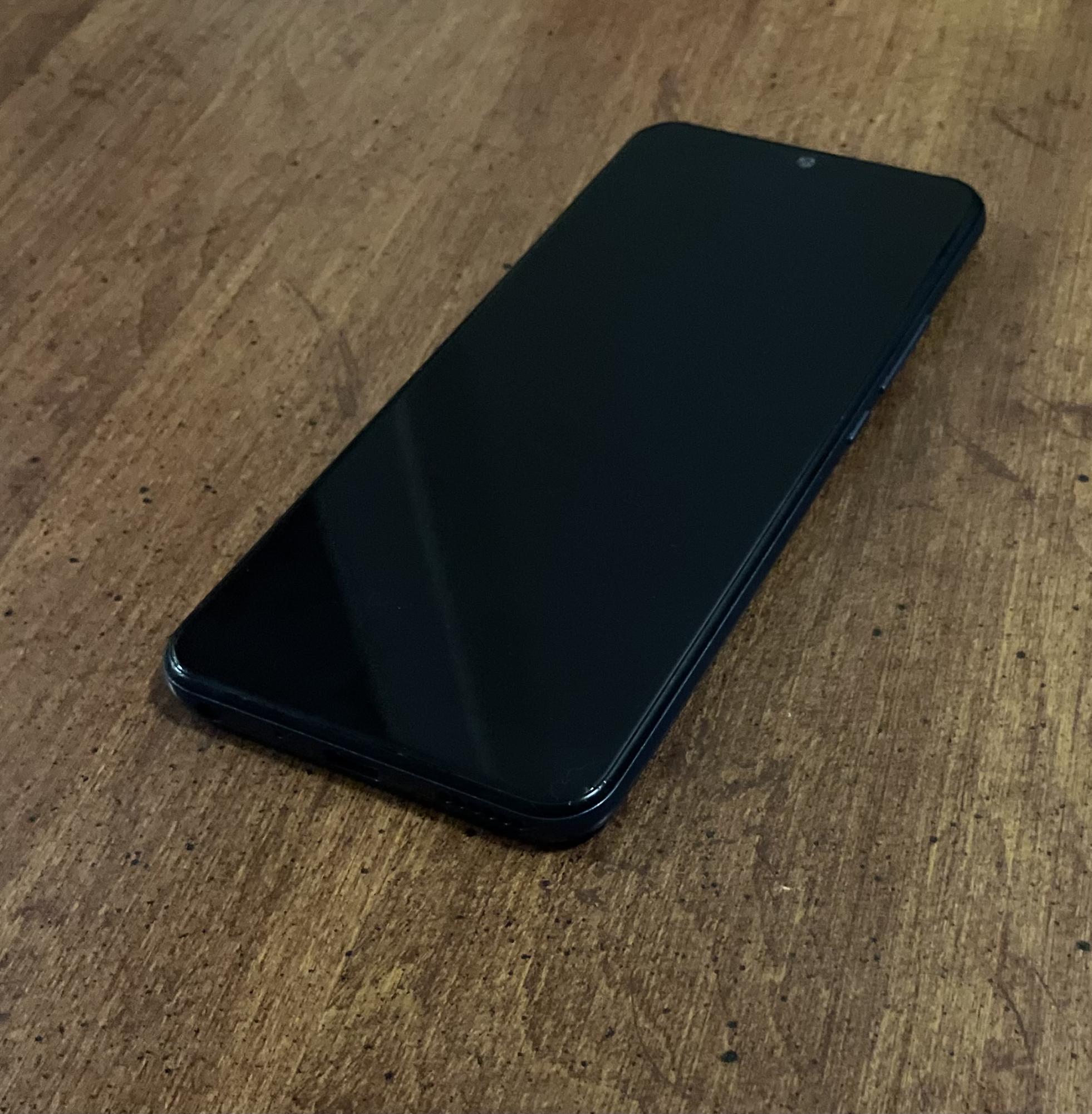
Should Cell Phones be Allowed in School?
It has been roughly three years since the ban on cell phones started at Ipswich High School, and there has been a noticeable change in the school environment ever since. At the beginning, when cell phones had just been banned, many people were annoyed by this action, and some students talked about transferring to other schools just to avoid the new rule set in place. Recently, I have wondered if there is a possibility of phones coming back. Could students have their phones and work without being distracted?
Because it has been a reasonable amount of time since the ban went into effect, and we have all adapted to the rule, I decided to take the time to interview some people to get their opinions on whether the ban should change or if it should stay as it is.
My first interviewee on this topic was Mr. Harvey, a teacher at I.H.S. who strongly supports the ban on cell phones in school. When I asked him about the changes he’s observed in students since the ban, he was quick to highlight the academic progress. He noted that “Students’ engagement in class activities has increased significantly. Students have been better at focusing more on their required work and being more progressive.” This academic progress, a direct result of the cell phone ban, is a strong argument in favor of the current policy. The improvement in academic focus due to the prohibition is a reassuring sign of its effectiveness. I have noticed in the first few years in high school that many people were struggling with assignments, falling behind, and needing to make them up to improve their grades because of the overuse of their phones. This progress is a testament to the positive impact of the ban on academic focus.
Later in the interview, I asked Mr. Harvey if there was an opportunity to lift the ban on cell phones, either with an app that puts your phone into a type of lock mode so students could stay focused, or some way that could benefit the students and teachers, and if he would be interested in the potential idea. He responded, saying, “No, I think that learning to live without cell phones in school would be a valuable lesson for school students to learn for the better.” This perspective underscores the value of the lesson, making it clear that the ban is not just about discipline, but about preparing students for a future where they can manage their distractions effectively.
The student I interviewed next was Anna Kercher. Before our interview, I was expecting that, since she was a student, she would be more in favor of bringing back phones and the positives of using them. To my surprise, it was the exact opposite of what I expected. During our discussion, I asked if she thinks that phones could be used only for academic purposes. She then responded, saying, “If it were used for academic purposes, I think it could help students, but I think it would be used for too many distractions for students during classes”. Her perspective, while acknowledging the potential benefits of using phones for academic purposes, also highlighted the need to manage potential distractions effectively. This underscores the importance of teaching students how to manage their distractions, a skill that will be crucial for their future success.
In the end, even though people are not thrilled that phones are banned in school, there were understandable reasons behind it. Many people were falling behind in work, and tests were reporting to be lower than average, which many people pointed their fingers at phone use. This reiteration of the reasons behind the ban helps to inform the audience about the necessity of the policy. It’s important to understand that the ban was not implemented arbitrarily, but as a response to real issues affecting students’ academic performances, socially and mentally. I don’t know what the future holds for whether the ban will remain definite or possibly be lifted at some point, but as of right now, I have grown to accept how it currently remains.