Recently, tensions between the United States and Venezuela have been rising due to politics in the America, U.S. sanctions, and concerns over Venezuela’s leadership. These issues have created serious problems between the two countries and have made people’s lives in both the U.S. and Venezuela stressful. Because of this situation, we decided to write this essay. Our purpose is to inform the Ipswich High School community about what is happening without including our political opinions. To understand how people are reacting, we interviewed Hank Latorella’s grandfather, Pat McNally, who previously served on the Ipswich board of selectmen.
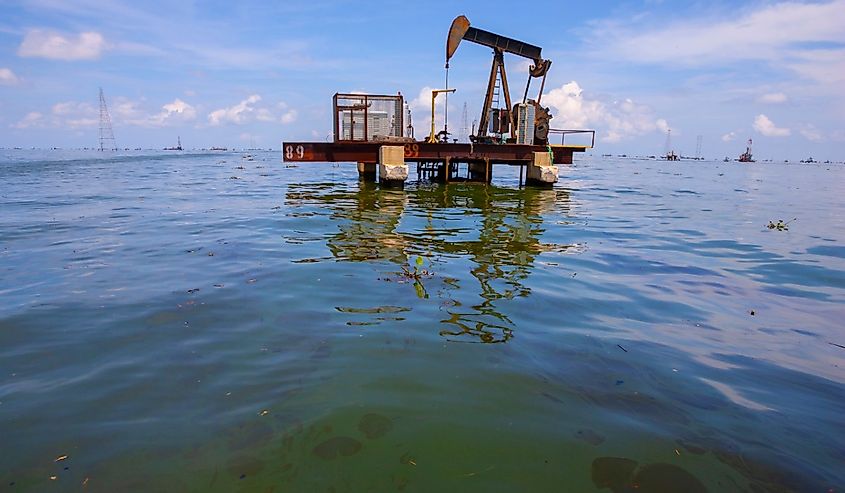
The relationship has been strained for many years. Venezuela has been controlled by President Nicolás Maduro since 2013. As president, the country has had lots of problems, such as political unrest and corruption in its country. Venezuelans struggled living with inflation, shortages of basic supplies, and life there is not great. Because of these issues, the United States placed sanctions on Venezuela, targeting its oil and government officials. These sanctions were meant to make the Venezuelan government start making changes,
In early January 2026, the conflict became much worse. U.S. military forces carried out an operation in Venezuela that resulted in the capture of President Maduro and his wife. They were taken out of the country and are in U.S. custody. This event scared people around the world because it is extremely rare for the United States to capture a president through the military. News outlets quickly reported on the incident, making it a global story.
Supporters of the operation think that President Maduro was involved in serious crimes, including corruption and drug trafficking. He had previously been charged in the US with drug-related charges, which helped the US make the operation look better in the eyes of the public. Some people believe that removing him from power could help push for change in Venezuela and possibly improve safety there. From this point of view, from the US, this action was seen as necessary, even though it came with risks.
On the other hand, many people strongly disagree with what the U.S. military did. Critics argue that capturing another country’s president violates international law and hurts the relationship between the two nations. Another common critique of the invasion is that it is motivated by Venezuela’s large oil reserves, a valuable resource to any modern nation. Several countries and international organizations condemned the operation, saying it “interfered with Venezuela’s sovereignty”. Others worry that more things like this could lead to more conflicts in the future or harm relationships between countries.
To understand how Americans feel about this situation, we asked Pat McNally about his first reaction. He said, “I hate war. Seeing this makes me feel like we were in bad times, and I disagree with Trump taking the Venezuelan president. It feels weird that we did that and that it wasn’t really our place. However, I always want to feel like the U.S. is a safe place to live, and if this decision makes the U.S. safer, then that helps make up for the impulsive decision to take him.”
Many people may have the same mixed feelings about what is happening. Many people are uncomfortable with the military actions that took place in another country, while others believe that it was the safest option. To keep peace in Venezuela, the government quickly placed Delcy Rodríguez in charge after the capture of Maduro. The country is now facing uncertainty as it figures out what will happen next. Meanwhile, the United States has started reopening diplomatic discussions with Venezuela. Overall, the recent tensions between the United States and Venezuela show how complicated international politics can be. The capture of President Maduro raised important questions about power, safety, and responsibility between nations. As the situation continues to develop, it will likely affect both countries and international relations with other countries in the future. These events show how decisions made by world leaders can affect everyday people’s lives.
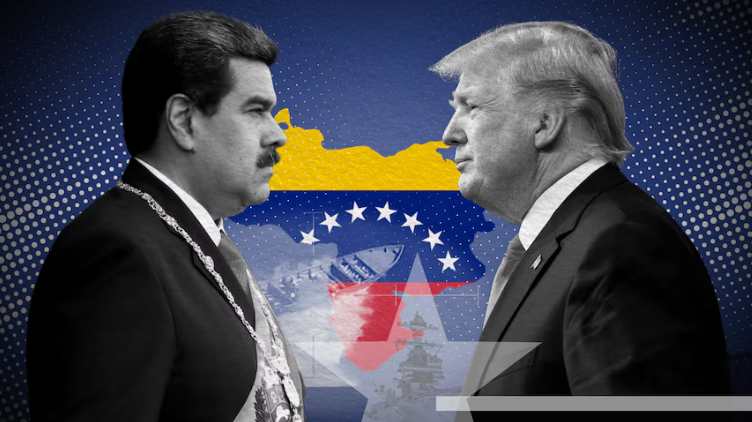
Tensions between Nicolas Maduro and Donald Trump have escalated since 2017. (ABC News: Lindsay Dunbar)