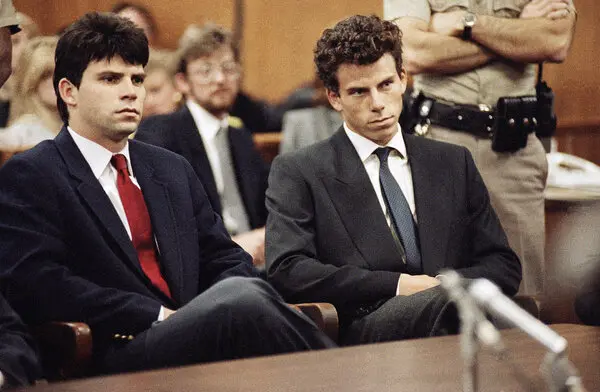
In early January 2026, the United States carried out a military operation in Venezuela that resulted in Venezuelan President Nicolás Maduro being captured and flown to the United States to face legal charges. How might this affect both US foreign relations as well as the oil industry is a big question out there so we will attempt to answer it.
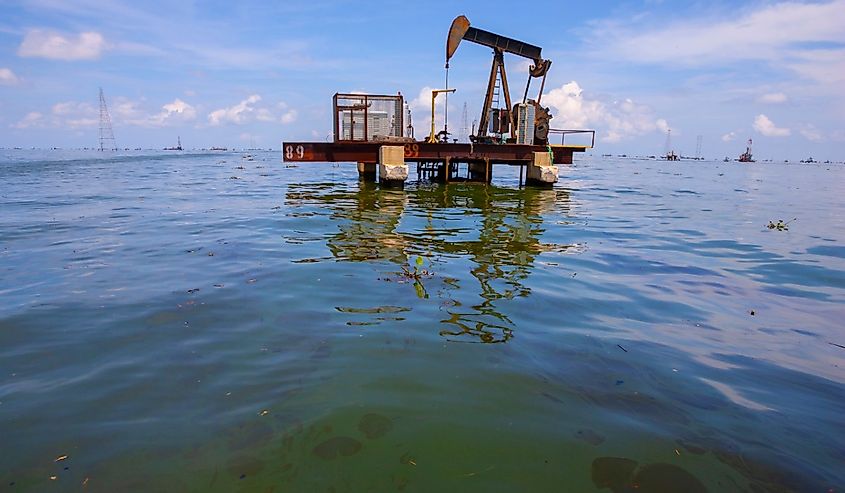
To start I talked with a former Chief engineer on oil drilling rigs in the Gulf of Mexico, and the first thing we talked about was Lake Maracaibo, home to one of the largest oil reserves in the world. Lake Maracaibo is on the coast of Venezuela and is lined with miles of drilling derricks producing barrels of crude oil yearly, the lake over the years has suffered as a side effect of the heavy drilling activity. About ⅔ of the oil produced out of Venezuela comes out of Lake Maracaibo and most of this infrastructure is old and built by American, British, French and Dutch foreign investment. Much of this infrastructure has been neglected over the years and is in need of repair or replacement. Venezuela’s state oil company PDVSA controlled most production under Maduro, but observers note that mismanagement and lack of foreign investment have reduced output over the years. Venezuela has some of the largest proven oil reserves in the world, about 300+ billion barrels, but production is far below its potential because of infrastructure issues and lack of investment.
Another piece of the puzzle is the oil quality. Venezuela’s oil is largely heavy crude. This does not mean it is low quality, but it is thicker and more difficult to refine compared to the lighter crude commonly produced in the United States. Refining heavy crude requires more advanced and expensive facilities, which adds to production costs. Because much of Venezuela’s refining infrastructure is outdated, this has limited its ability to fully capitalize on its oil reserves. Despite this however the heavy crude oil has great potential for many industrial uses from road infrastructure to fuel for large ships.
Now the politics of this decision, Venezuela is of course its own country and as such has its sovereignty, so the U.S. taking their President is most definitely a violation of that. Maduro was seen to have been a dictator and bad person but the larger question remains: what happens next? The U.S. has its own domestic issues and intervening with another county can strain both resources and diplomatic relationships. When I asked a student from a Massachusetts high school about the issue he said that while “we definitely should help other countries out of dictatorships, but it’s not a decision that should be made by a couple of people”.
Beyond politics, the global economy could also feel the effects. Venezuela holds some of the largest proven oil reserves in the world, and any shift in control or production levels could influence global oil supply and prices. Increased production could lower prices, while instability could disrupt supply chains. Energy markets tend to react quickly to political uncertainty, and investors will likely be watching closely to see whether Venezuela moves toward stability or further conflict. In the end, both the diplomatic and economic outcomes will depend on what kind of government emerges and whether international cooperation follows.